01OWNERSHIP
No One Clearly Owns the HubSpot System
When different teams change properties, workflows, pipelines and settings independently, the portal can gradually lose one consistent operating model.


HUBSPOT CONSULTING SERVICES
Tech Striker helps businesses plan, implement and improve HubSpot across CRM, onboarding, migration, automation, reporting, CMS and connected business workflows.
HUBSPOT CERTIFICATIONS




HUBSPOT CHALLENGES
Buying HubSpot is only the beginning. CRM structure, data quality, automation, reporting, integrations and team adoption all affect whether the platform actually supports the way sales, marketing and service teams work.
The problem is often not HubSpot itself. The system may simply need better architecture, cleaner data, clearer workflows or a setup that matches the way the business actually operates.
CRM STRUCTURE
Pipelines, lifecycle stages, properties and ownership rules can become difficult to follow when the CRM was configured without a clear model for how leads move through the business.
MANUAL WORK
Manual lead routing, follow-ups, status updates and internal handoffs can create unnecessary work when workflows and automation are missing or poorly aligned with the actual process.
REPORTING VISIBILITY
Reports and dashboards can become difficult to trust when properties, lifecycle stages, deal data or attribution inputs are inconsistent across the CRM.
MIGRATION & ONBOARDING
Moving data, recreating workflows, mapping properties and preparing teams for a new HubSpot setup requires deliberate planning, especially when the existing CRM or business system has its own structure.
DISCONNECTED SYSTEMS
Website forms, ecommerce platforms, marketing tools and operational systems may create disconnected data or manual work when the required integrations and data flows are not planned clearly.
HUBSPOT CONSULTING SERVICES
HubSpot can support CRM, sales, marketing, service, reporting, websites and connected workflows, but the right setup depends on how the business actually operates. Tech Striker helps plan and implement the parts of HubSpot that need to work together.
CRM FOUNDATION
Structure HubSpot CRM around the way leads, contacts, companies and deals move through the business, including properties, lifecycle stages, ownership rules and pipeline design.
GETTING STARTED
Set up HubSpot around the team's immediate priorities, configure the required tools and prepare users to work with the system without adding unnecessary complexity from the beginning.
PLATFORM TRANSITION
Plan the movement of CRM data, properties, pipelines, workflows and connected systems into HubSpot based on what needs to be preserved, rebuilt or improved.
VISIBILITY
Build reporting structures that help teams and leadership understand pipeline activity, lifecycle movement, campaign performance and other business metrics supported by reliable CRM data.
WEBSITES & CONTENT
Develop and improve HubSpot-powered websites, landing pages and structured content experiences that work with the wider CRM, marketing and reporting environment.
CONNECTED SYSTEMS
Connect HubSpot with websites, ecommerce platforms, forms, marketing tools and other supported business systems when the workflow requires data to move between platforms.
PROCESS AUTOMATION
Use workflows and automation to support lead routing, follow-ups, lifecycle changes, internal handoffs and recurring tasks where automation genuinely improves the process.
ONGOING IMPROVEMENT
Improve an existing HubSpot setup as teams, data, reporting requirements and business processes evolve, without treating every change as a complete reimplementation.
RIGHT-SIZED HUBSPOT SCOPE
The right scope depends on what is already in place, where the current problems are and which teams, data, workflows and systems need attention first.
WHY HUBSPOT GETS COMPLICATED
HubSpot environments often become harder to manage gradually. New teams, properties, workflows, integrations, pipelines and reporting requirements are added over time, but the underlying structure does not always evolve with them.
The result is usually accumulated complexity rather than one obvious failure. Fixing it starts with understanding which parts of the system are creating that complexity and why.
01OWNERSHIP
When different teams change properties, workflows, pipelines and settings independently, the portal can gradually lose one consistent operating model.
02PROCESS DRIFT
Sales stages, handoffs, qualification rules and customer journeys evolve. If the CRM still reflects an older process, teams begin working around the system instead of through it.

03DATA DEBT
Duplicate properties, inconsistent values, incomplete records and unclear field definitions can gradually weaken automation, segmentation and reporting.

04TOOL SPRAWL
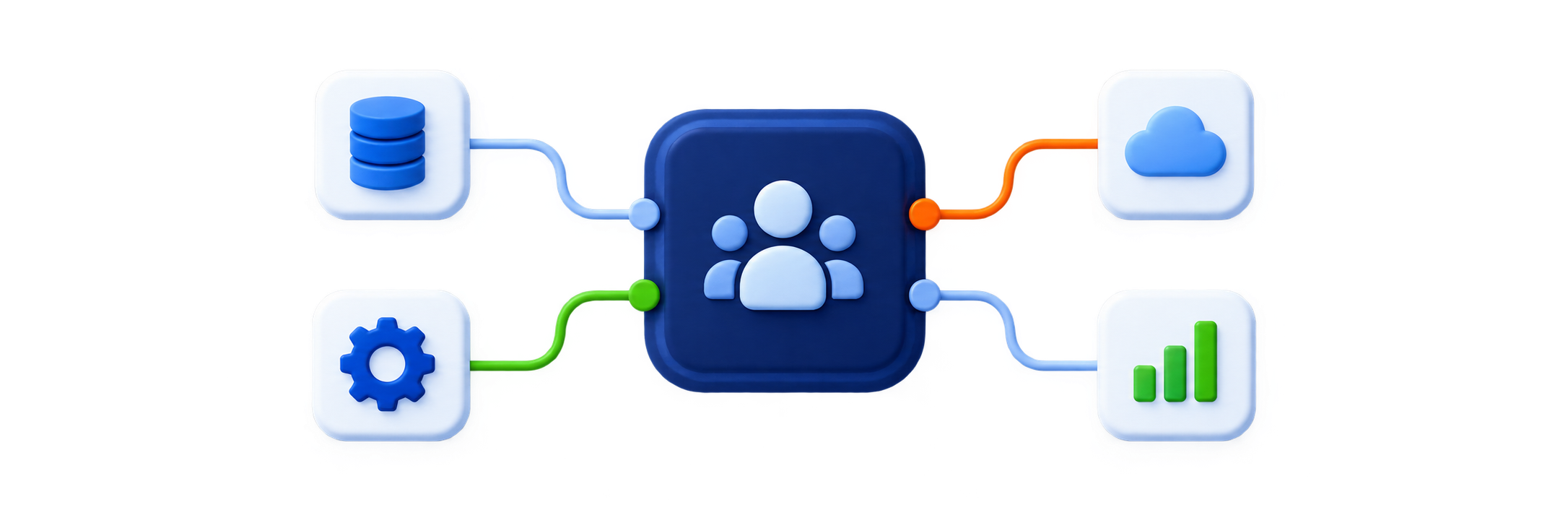
Every connected system and automation introduces another dependency. Without a clear architecture, changes in one place can create unexpected effects elsewhere.
05GOVERNANCE
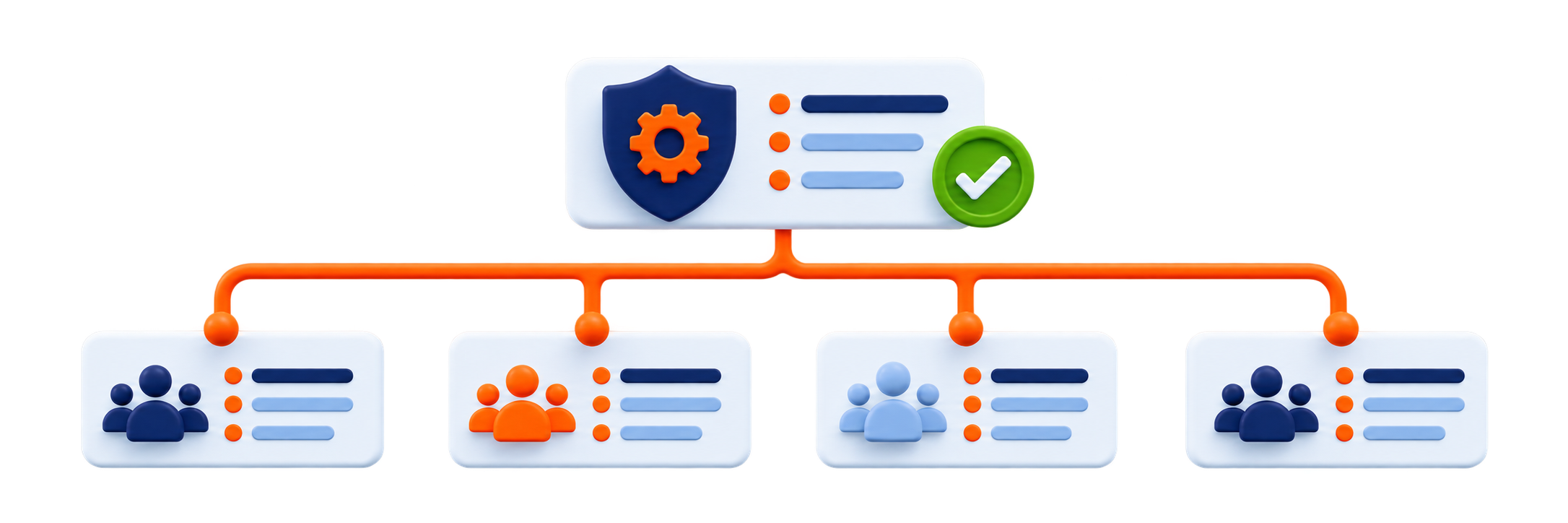
Naming conventions, ownership rules, required fields and process expectations need consistent governance. Without it, different teams can create different versions of the same operating process.
HUBSPOT BY INDUSTRY
Different industries use HubSpot in different ways depending on their sales cycles, customer journeys, content needs and operational workflows.
VIEW ALL INDUSTRIESCRM, lifecycle and recurring-revenue workflows built around longer customer relationships.
Customer data, marketing automation and commerce connections working across the buying journey.
Structured enquiry, relationship and communication workflows for patient-focused organizations.
Lead routing, follow-up and pipeline visibility across property and buyer journeys.
CRM structure and sales workflows designed around longer, more complex buying cycles.
Lead management, sales follow-up and client lifecycle visibility for service-led businesses.
OUR HUBSPOT CONSULTING PROCESS
HubSpot projects work better when business processes, data and system requirements are understood before configuration begins. Our approach starts with the current reality and moves toward a setup that teams can use and maintain.
START WITH HOW THE BUSINESS WORKS, THEN CONFIGURE HUBSPOT TO SUPPORT IT.
The process should clarify requirements, establish the right structure, configure the system, test how the pieces work together and prepare teams to use what has been built.
01
ASSESS
Review how leads, customer data, teams, workflows, reporting and connected systems currently operate before deciding what needs to change.
02
ARCHITECT
Translate business requirements into HubSpot structure, data models, lifecycle stages, pipelines, ownership rules, automation needs and integration requirements.
03
CONFIGURE
Configure the approved CRM structure, workflows, reporting, forms, integrations and other required HubSpot functionality according to the agreed scope.
04
VALIDATE
Review records, workflows, routing, reporting and connected systems using representative scenarios to identify issues before the setup is considered ready.
05
ENABLE
Document the important processes, clarify how teams should use the system and address final questions so the new setup can become part of normal operations.
HUBSPOT CONSULTING FAQS
Answers to common questions about HubSpot implementation, onboarding, migration, reporting, automation, CMS development and ongoing support.
HubSpot consulting can include CRM architecture, implementation, onboarding, migration, automation, reporting, integrations, CMS development and ongoing improvements. The exact scope depends on what is already in place and what the business needs HubSpot to support.
Yes. Tech Striker can help structure HubSpot CRM around contacts, companies, deals, lifecycle stages, properties, pipelines, ownership rules and the processes teams need to manage inside the system.
Yes. HubSpot migration work can include planning data mapping, properties, pipelines, workflows and connected systems. The migration approach depends on the source platform, data quality and what needs to be preserved, rebuilt or improved.
Yes. Existing HubSpot portals can be reviewed and improved where CRM structure, workflows, reporting, integrations, data quality or team processes are creating unnecessary complexity or limiting how the system is used.
Yes. HubSpot reporting work can include dashboard structure, pipeline visibility, lifecycle reporting and other reporting requirements supported by the available CRM and marketing data.
Yes. Tech Striker can work with HubSpot CMS and website development, forms, landing pages, CRM-connected experiences and integrations where the required platforms and technical capabilities support the connection.