
SEO SERVICES

SEO Services for Sustainable Organic Growth

Improve how your business is discovered in organic search with an SEO strategy built around technical performance, search intent, useful content, authority and continuous improvement.

Search Demand

Understand What People Search For

Build the Right Pages

Technical
Foundation
Content
& Intent
AuthorityMeasurement
Stronger Organic Visibility

SEO CHALLENGES

Where Organic Visibility Breaks Down

Search performance can stall when technical issues, unclear targeting, weak content and disconnected site structure prevent the right pages from being discovered, understood and acted on.

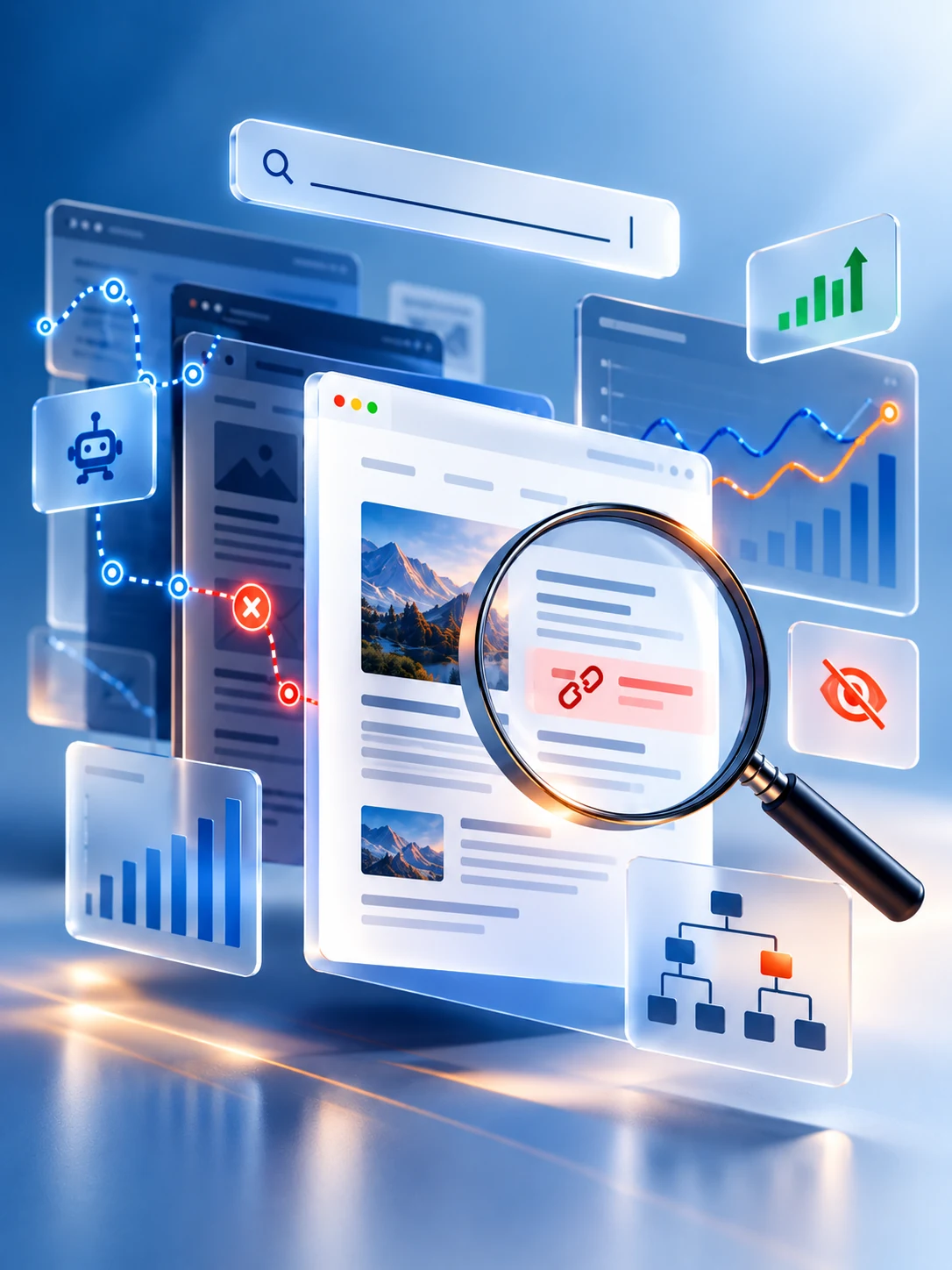
Illustration of search discovery, broken links and website structure under review
  1. Pages Are Not Being Discovered

    Important pages can remain difficult for search engines to crawl or index when technical signals, internal links or site structure create unnecessary barriers.

  2. Search Intent and Page Targeting Do Not Match

    A page may be optimized around terms that do not match what searchers actually want, limiting its ability to compete for relevant queries.

  3. Multiple Pages Compete for the Same Search Demand

    Overlapping targeting can cause several pages to compete for similar queries instead of giving search engines one clear destination.

  4. Technical Issues Weaken the SEO Foundation

    Redirect problems, canonical issues, crawl paths, duplicate signals and poor site architecture can reduce the effectiveness of otherwise useful content.

  5. Content Does Not Cover the Right Opportunities

    Thin coverage, missing topics and outdated pages can leave valuable search demand unanswered or send visitors to less relevant content.

  6. Organic Traffic Does Not Lead to Meaningful Actions

    Visibility alone is not enough. Landing pages, internal journeys and conversion paths need to help qualified visitors take the next useful step.

SEO SERVICES

SEO Services Built Around How Search Actually Works

Our SEO services connect technical performance, search intent, content, authority and measurement so the right pages can earn stronger organic visibility over time.

  1. Technical SEO

    Improve crawlability, indexability, canonicals, redirects, sitemaps, structured data, site architecture and other technical factors that can limit organic visibility.

  2. On-Page SEO

    Strengthen titles, headings, page targeting, internal content and search intent alignment so important pages communicate their purpose clearly.

  3. Keyword Research & SEO Strategy

    Research search demand, understand intent, identify opportunities and map relevant keyword clusters to the right pages while reducing cannibalization.

  4. Content SEO

    Find content gaps, improve existing pages, build useful topic coverage and connect commercial pages with relevant supporting content.

  5. Local SEO

    Improve local search visibility through location targeting, Google Business Profile strategy where applicable and stronger local landing-page planning.

  6. Ecommerce SEO

    Improve category and product architecture, ecommerce technical SEO, product and category targeting, faceted navigation and internal linking.

  7. Off-Page SEO & Link Building

    Build authority through relevant backlink strategy, competitor link-gap research and carefully evaluated link acquisition opportunities.

  8. SEO Audits & Consulting

    Evaluate technical, keyword, content and competitive performance, then turn the findings into a prioritized SEO roadmap and ongoing strategic direction.

SEO STRATEGY

From Search Demand to the Right Page

Strong SEO starts by understanding what people search for, why they search for it and which page should provide the clearest answer. We connect those signals into a practical page-level strategy before optimization begins.

  1. Search Demand

    Identify the topics, problems and commercial searches that matter to the business and reveal where real organic opportunities exist.

  2. Search Intent

    Understand what searchers are trying to accomplish so informational, commercial and transactional queries are matched to the right type of content.

  3. Keyword Mapping

    Group related search terms by intent and assign them to the most relevant pages instead of creating overlapping pages for every keyword variation.

  4. Page Strategy

    Decide whether the opportunity belongs on an existing page, a stronger service page, supporting content or a genuinely new destination.

  5. Optimization

    Improve technical signals, page structure, content, internal linking and on-page relevance around the approved search intent.

  6. Measurement

    Track visibility, landing-page performance and conversions to understand what is improving and where the next SEO opportunity exists.

TECHNICAL SEO

Build a Strong Technical SEO Foundation

Organic visibility depends on search engines being able to discover, crawl, understand and index the right pages without unnecessary technical barriers.

  • Crawlability & Indexability

    Make important pages accessible to search engines, reduce unnecessary crawl barriers and identify signals that can prevent valuable content from being indexed.

  • Canonicals & Duplicate Signals

    Clarify which version of a page should be treated as primary and reduce conflicting signals created by duplicate or near-duplicate URLs.

  • Redirects & URL Health

    Maintain clean redirect paths, resolve broken destinations and prevent redirect chains or outdated URLs from weakening the site's crawl flow.

  • XML Sitemaps & Discovery

    Keep sitemaps aligned with approved canonical pages so search engines receive a clear, current view of the URLs that matter.

  • Structured Data & Search Understanding

    Use relevant structured data where appropriate to help search engines understand page purpose, entities and important content relationships.

  • Site Architecture & Internal Linking

    Create clear pathways between important pages so search engines and visitors can move through the site logically and authority can flow to priority content.

  1. CrawlAccessible URLs & Clear Paths
  2. IndexCanonical & Indexing Signals
  3. UnderstandPage Purpose & Structured Data
  4. ConnectSite Architecture & Internal Links
Technical SEO supports how important pages are discovered and understood. It does not guarantee indexing or rankings.

ON-PAGE & CONTENT SEO

Create Pages That Match Search Intent

Strong pages align what people are searching for with the content, structure and internal pathways that help them find a clear, useful answer.

Page TargetOne Clear Primary Intent

Related searches, one relevant destination.

Clear Page Purpose
Titles and headings that reflect the search intent.
Useful Content
Supporting topics, relevant questions and a clear answer.
Relevant Internal Links
Related pages and a clear next step for the visitor.
  • Titles, Headings & Page Targeting

    Align titles, headings and page focus with the primary search intent so both visitors and search engines can understand what the page is meant to answer.

  • Search Intent Alignment

    Match the type and depth of content to what searchers actually want, whether the query is informational, commercial or transactional.

  • Existing-Page Improvement

    Strengthen pages that already have useful relevance or visibility before creating new destinations that may overlap with existing coverage.

  • Content Gaps & Topic Coverage

    Identify missing questions, supporting topics and useful context that can make a page more complete without adding filler or repeating the same idea.

  • Internal Linking Between Related Pages

    Connect relevant service, commercial and supporting pages so visitors can move naturally through the site and search engines can understand important relationships.

  • Cannibalization & Page Ownership

    Reduce overlapping targeting by giving each important search intent or tightly related cluster one clear primary destination where practical.

Search intent matters more than raw search volume. Improve existing pages before adding unnecessary new ones. Keyword density is not a target, and more content is not automatically better: useful coverage matters more than repetition.

SPECIALIZED SEO

SEO for Different Search Environments

Local businesses and ecommerce websites face different search behaviors, page structures and technical challenges, so the SEO approach should reflect how customers actually discover and navigate each type of business.

LOCAL SEARCH

Local SEO

Local SEO helps businesses become more visible when people search for services, providers or solutions connected to a specific location.

  • Location
  • Service
  • Local Intent
  • Business Profile
  • Location & Local Intent Targeting

    Identify how search demand changes by location and align relevant service and location pages with genuine local search intent.

  • Google Business Profile Strategy

    Improve Google Business Profile information and supporting local signals where a verified and eligible business profile is applicable.

  • Location Page Planning

    Build useful location coverage around real service availability and distinct local intent instead of producing thin or duplicated pages at scale.

  • Business Information Consistency

    Keep important business details consistent across the website and relevant local profiles so customers and search platforms receive clear information.

ECOMMERCE SEARCH

Ecommerce SEO

Ecommerce SEO helps search engines and shoppers navigate large product catalogs while giving important categories and products clearer organic visibility.

  • Category
  • Product
  • Filter
  • Internal Path
  • Category & Product Architecture

    Organize categories, subcategories and products around clear relationships so important commercial pages are easier to discover and navigate.

  • Category & Product Targeting

    Align category and product pages with the appropriate commercial search intent while avoiding unnecessary overlap between similar destinations.

  • Faceted Navigation & Crawl Control

    Manage filters, parameters and faceted navigation carefully so useful shopping paths remain accessible without creating excessive duplicate crawl URLs.

  • Ecommerce Internal Linking

    Connect categories, products and relevant supporting content so shoppers can move naturally through the catalog and priority pages receive stronger internal support.

OFF-PAGE SEO

Build Authority Beyond Your Website

Strong off-page SEO focuses on earning and identifying relevant external signals that support trust, authority and the visibility of important pages over time.

Relevance and quality matter more than raw link volume. Competitor backlink data is research input, not a list of links to copy blindly.

Relevant WebsitesIndustry Resources Important Pages Brand MentionsEditorial Links
Relevant Sources. Meaningful Connections.
  • Relevant Backlink Opportunities

    Identify websites, publications and industry resources where a relevant link or mention could genuinely support important pages and topics.

  • Competitor Link-Gap Research

    Compare competitor backlink profiles to uncover credible domains and content opportunities that may be worth evaluating for outreach or relationship building.

  • Link Quality & Relevance

    Evaluate potential links based on topical relevance, context, source quality and how naturally the destination fits the referring page.

  • Digital PR & Brand Mentions

    Look for appropriate opportunities to earn coverage, expert mentions and useful references that can strengthen brand visibility as well as authority.

  • Risk & Manipulative Link Avoidance

    Avoid low-quality, misleading or manipulative link tactics that create unnecessary risk instead of building sustainable authority.

  • Ongoing Link Profile Review

    Review new and existing backlinks over time to understand where authority is growing, where opportunities remain and where questionable patterns may need attention.

SEO AUDITS & CONSULTING

Turn SEO Findings Into a Prioritized Roadmap

A useful SEO audit should do more than list issues. We evaluate technical performance, search targeting, content and competition, then organize the findings around what deserves attention first.

  1. Diagnose
  2. Understand
  3. Prioritize
  4. Plan

Review existing pages before recommending new ones. Use competitors as context, not a template. Prioritize findings rather than treating every issue as equally urgent.

Audit Findings

  • Technical SEO Audit

    Review crawlability, indexability, canonicals, redirects, sitemaps, site architecture and other technical signals that may be limiting organic performance.

  • Keyword & Targeting Review

    Evaluate how important pages are currently targeted, where search intent is unclear and whether valuable query clusters have an appropriate destination.

  • Content & Cannibalization Audit

    Identify thin coverage, outdated content, overlapping pages and gaps where existing content can be strengthened or reorganized.

  • Competitive & SERP Analysis

    Compare relevant competitors and current search results to understand how the market is structured, what users expect and where meaningful opportunities may exist.

FindingsPriorityAction

Action Plan

  • Prioritized SEO Roadmap

    Organize findings by impact, effort, dependencies and business relevance so the team has a practical sequence of actions instead of an unstructured issue list.

  • Ongoing SEO Consulting

    Provide strategic guidance as priorities, search behavior, competitors and website needs change, helping SEO decisions stay aligned with the wider business.

OUR SEO PROCESS

A Practical SEO Process From Research to Improvement

Our SEO process moves from diagnosis and research into clear page targeting, implementation and ongoing improvement, so decisions stay connected to search intent, website priorities and measurable performance.

  1. Audit

    Review the website’s technical foundation, current targeting, content coverage and search visibility to understand what is already working and where problems exist.

  2. Research

    Analyze search demand, search intent, competitors, current SERPs and available performance data to identify relevant opportunities and constraints.

  3. Map

    Group related queries by intent and assign them to the most appropriate existing or planned pages while checking for overlap and cannibalization.

  4. Implement

    Apply approved technical, on-page, content and internal-link improvements in a controlled sequence based on the agreed priorities.

  5. Measure

    Track search visibility, landing-page performance and meaningful actions to understand how implemented changes are performing over time.

  6. Improve

    Use performance data, new search behavior and changing priorities to refine pages, strengthen coverage and identify the next useful SEO actions.

SEO FAQs

Frequently Asked Questions About SEO Services

Answers to common questions about how our SEO services, research and implementation process work.

What is included in Tech Striker’s SEO services?

Our SEO services can include technical SEO, on-page optimization, keyword research and strategy, content SEO, Local SEO, Ecommerce SEO, off-page SEO, link building, audits and ongoing consulting. The exact scope depends on the website, current performance, search opportunities and business priorities.

How long does SEO usually take to show results?

SEO timelines vary based on the website’s current condition, competition, technical issues, existing authority, content and the work being implemented. Some improvements may become visible sooner than others, but sustainable organic growth generally requires ongoing work, measurement and refinement rather than a fixed guaranteed timeline.

Do you provide technical SEO as well as content SEO?

Yes. Our SEO approach can cover both the technical foundation and the pages visitors actually use. That includes crawlability, indexability, canonicals, redirects, sitemaps and site architecture, along with page targeting, content improvement, search intent alignment and internal linking.

How do you decide which keywords and pages to target?

We research search demand and intent, review existing website coverage, study relevant search results and competitors, and check for overlapping targeting. Related queries are grouped into meaningful clusters and mapped to the most appropriate existing or planned page rather than creating a separate page for every keyword variation.

Can you improve existing pages instead of creating new ones?

Yes. We review existing pages before recommending new destinations. When a current page already matches the opportunity, strengthening its targeting, content, technical signals and internal links can be more useful than creating another page that competes for the same search intent.

Do you provide Local SEO and Ecommerce SEO?

Yes. Local SEO can include local search intent, Google Business Profile strategy where applicable, location-page planning and business information consistency. Ecommerce SEO can include category and product architecture, commercial targeting, faceted navigation, crawl control and internal linking.